Why Independent Creators Should Use AI Animation
The loudest opposition to AI filmmaking tools comes from independent creators and working artists, the people who would benefit most from these tools existing. That's worth looking at more closely.
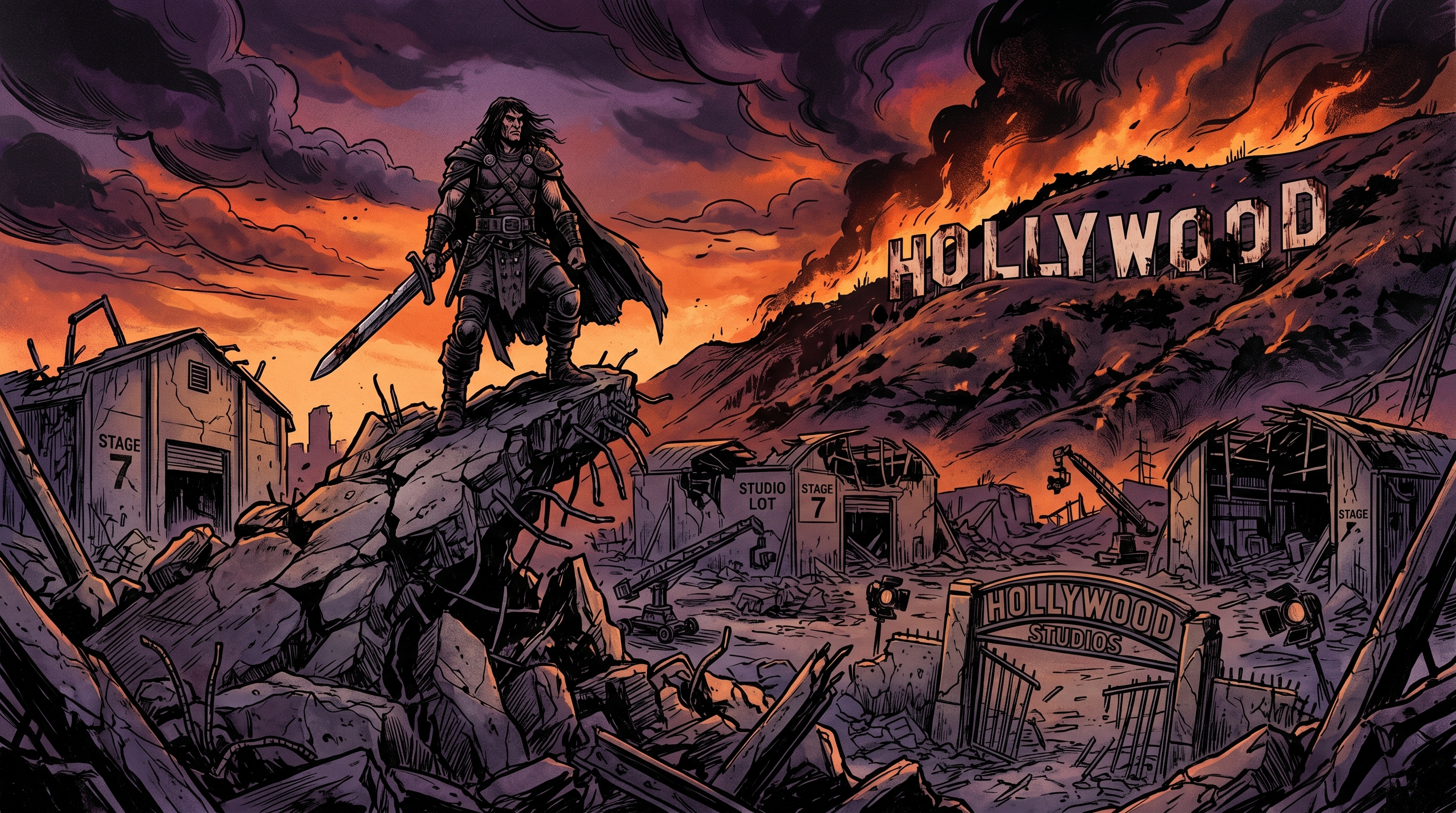
The debate over AI filmmaking tools has landed in a strange place. The loudest opposition comes from independent creators and working artists, the people who would benefit most from these tools existing.
That’s worth looking at more closely.
The Concerns Are Real
Before getting to the alternative frame: the grievances are legitimate. The major AI image and video models were trained on massive datasets scraped from the internet, including copyrighted work, without the consent of the artists whose labor was used. That’s not a technicality. It’s a real problem that hasn’t been adequately resolved. The lawsuits are ongoing. The ethical questions are unresolved.
The concern that AI tools could be used to replace working artists on productions that used to employ them is also real. When a studio uses AI to generate visual assets instead of hiring animators, that’s a job not filled. That matters.
So no, this isn’t a dismissal of any of those concerns. Both things can be true: the training data issue is legitimate, AND the frame most people are using to discuss AI tools in independent film gets the interests backwards.
The Question Worth Asking
Here’s the alternative way to look at it: who does it actually serve to keep the cost of quality animation production as high as it is?
For most of film history, the barrier to entry for animation was enormous. Not the ideas. Not the talent. The budget. A feature-length animated film from a major studio costs hundreds of millions of dollars to produce. An animated short at a professional level costs tens of thousands at minimum, and that’s for something basic. The infrastructure, the crew, the software pipelines, the time. All of it added up to a world where quality animated production was effectively reserved for people with institutional access to money.
Who benefits from that barrier staying exactly where it is? Not independent creators. Not working animators trying to build their own projects. The gatekeeping system benefits, specifically the one that controls who gets access to scale.
The argument that independent creators should be the most opposed to AI tools deserves scrutiny, because those tools are the first thing in decades that’s meaningfully moved that barrier.
It’s Not Going Away
The technology exists. That isn’t a matter of preference or politics. AI animation tools are in the world and they’re improving every year. The choice isn’t whether this happens. The choice is who engages with it and shapes how it gets used.
Independent creators who opt out of these tools because of the debate aren’t protecting the art form. They’re leaving the field to the people who will use it regardless, which in practice means the corporations, the brands, and the studios that have resources to absorb whatever tools become available.
You can put your head in the sand, or you can learn to use these tools effectively. Those are the options. The technology doesn’t stop existing because it makes people uncomfortable.
What the Democratization Actually Looks Like
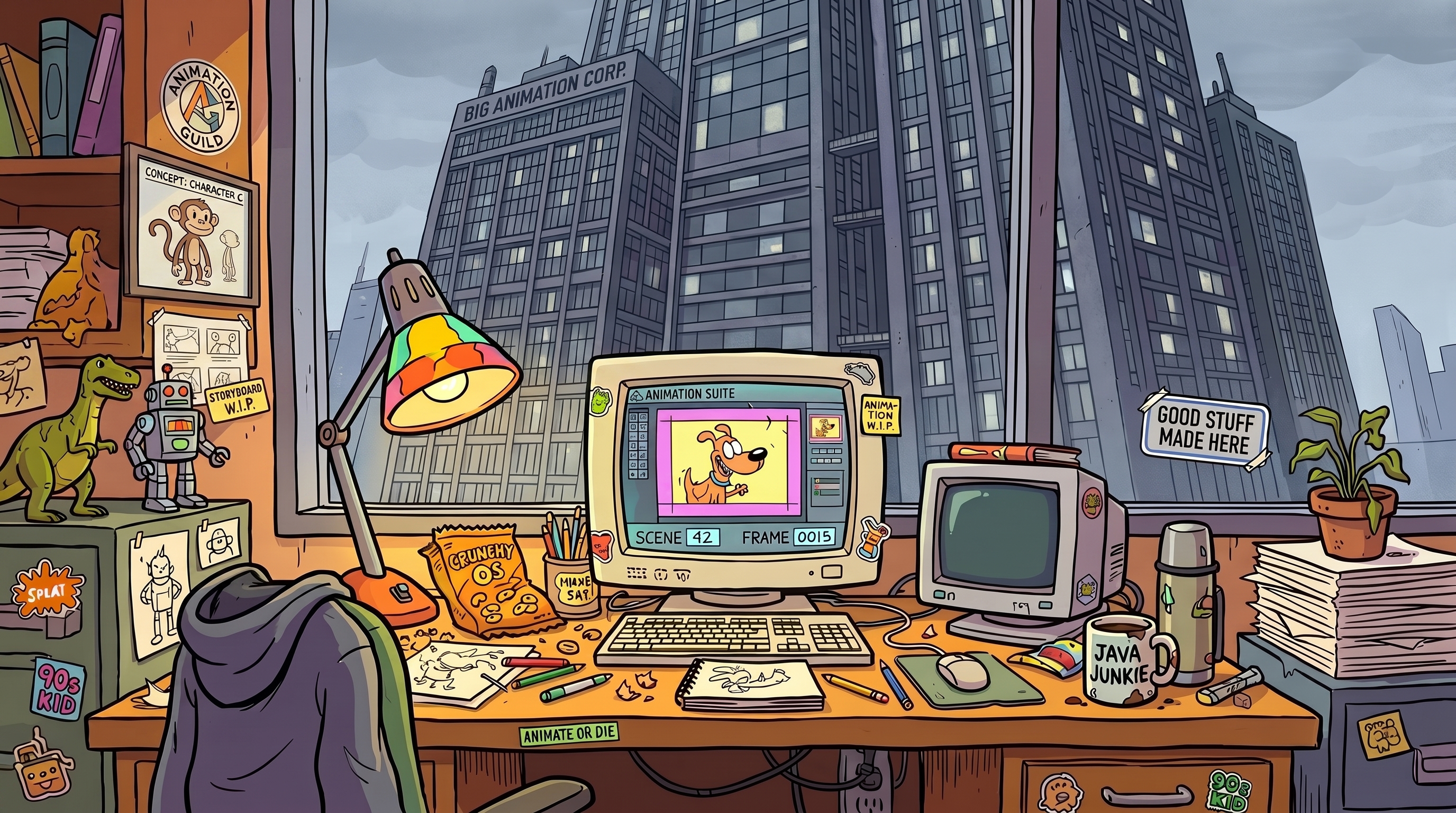
This is where it gets concrete. AI animation tools, used with real creative direction, genuine writing, and actual point of view, make it possible for a team of two to five people to produce work at a quality level that previously required a full studio operation.
That means someone in a midsize city with no connections to Hollywood can make an animated short that competes at the level of work that previously required institutional support. A team of five people, working with AI tools and genuine creative vision, can produce something good enough to be submitted to major film festivals. Good enough to win.
Here’s something worth knowing: at the 2026 Academy Awards, none of the five Best Animated Short nominees were made by Disney, DreamWorks, Pixar, Sony, Warner Bros., or Paramount. Independent and international filmmakers have been dominating the category for decades. The budget isn’t what wins. The creative vision is what wins. AI animation tools mean the budget barrier to get to that standard drops further.
That’s not a hypothetical. It’s a logical outcome of the technology that’s already available, and it’s good for anyone who ever wanted to make something but couldn’t justify the budget to do it the old way.
The studios’ real fear isn’t that AI will produce bad art. It’s that it removes the barrier that made them necessary. That shift looks different from a brand’s perspective, but the underlying dynamic is the same.
The Conditions Weren’t Ideal
To be clear: the way these tools were built wasn’t ideal. The training data questions are real. If you use AI animation tools, you’re downstream of decisions you didn’t make and can’t fully account for. That’s an uncomfortable position.
It’s also the position you’re in with most modern technology. The phone in your pocket has a supply chain with serious ethical problems. The software you edit video with was built with labor practices worth scrutinizing. Moral consistency in the technology you use is nearly impossible to achieve completely. The people most loudly making the purity argument about AI tools are often making it on platforms with their own significant ethical problems.
That doesn’t make the concerns disappear. It means the choice isn’t between clean and dirty. It means engaging with an imperfect technology carefully, with eyes open, and with the actual interests of independent creators in mind, rather than stepping back while others fill the space.
Who Should Be Scared
The independent creator who uses AI animation tools to make something genuinely good, with real writing, real vision, and real creative direction, isn’t the problem. That person is exactly who these tools help most. Their budget goes further. Their ideas get executed. Their work gets made.
The people who should be uncomfortable are the studios and institutions whose value proposition has always been access to expensive infrastructure. When that infrastructure becomes accessible to anyone willing to learn the tools, the question of why you need a $200M budget to produce something visually competitive becomes much harder to answer.
That’s not a threat to independent creators. That’s an opportunity.
FAQ
Yes. Creative direction, writing, taste, and production judgment are all still human. The AI handles execution. The skill required shifts, but it doesn’t disappear. The shift is toward creative skills that independent creators tend to have.
It’s a legitimate concern. The ethical questions around training data aren’t resolved, and they’re worth continuing to push on. Using the tools doesn’t mean endorsing how they were built. It means engaging with technology that exists, imperfectly, while the industry figures out what fair looks like.
At the top of what’s possible with real creative direction, yes. The quality ceiling has moved significantly in the last two years and continues to move. What matters is whether the creative direction is strong. The tool follows.

“Generations of independent filmmakers wanted exactly what AI animation makes possible now: a way to make high-quality work without needing institutional money to do it. The barrier that kept most people out of the room has moved.”