AI Animation for Brands: What It Is and Why It Works
Most brands have the wrong picture of what AI animation looks like. The slop you've seen on social is the bottom of what the technology can do, not the ceiling.
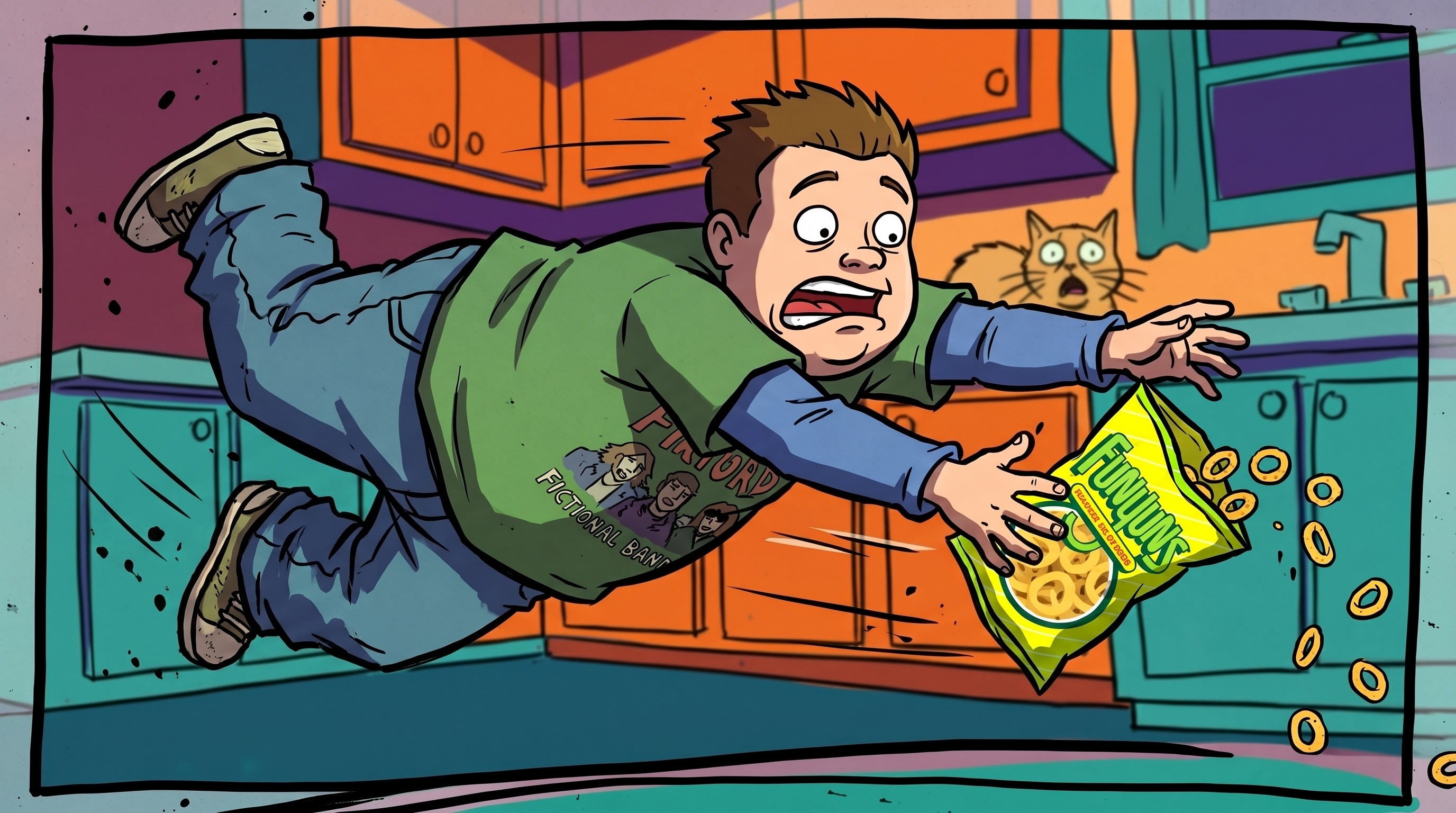
They’ve seen the AI animation clogging Instagram. The uncanny faces with too-smooth skin, the mouths that don’t quite match the words, the generic sparkle effects. There is a lot of AI slop out there. That’s real.
But that’s the bottom of what the technology can do, not the ceiling. And the gap between the two is wider than most people realize.
This post is for brands that are trying to figure out whether AI animation is worth paying attention to. The short answer is yes. The longer answer is in everything that follows.
What AI Animation Actually Is (And What It Isn’t)
AI animation is not a button you press and walk away from.
The slop you’ve seen on social media is what happens when the technology is used without creative direction. Someone types a prompt, accepts the first output, posts it. That’s not animation. That’s a shortcut, and it looks like one.
Real AI animation is a production process. The AI handles execution. The creative direction, the writing, the story, the judgment about what works and what doesn’t. Those are still human. That’s how this studio operates: one person handling the full creative process, start to finish. The same way digital cameras didn’t replace the decision of what to shoot, or Premiere Pro didn’t replace the decision of what to cut.
AI is a tool. Every transformative tool in filmmaking history got the same reaction when it showed up: this will cheapen the craft, this will lower the bar, this will make it too easy for people who don’t deserve access to have it. Digital cameras, nonlinear editing, motion graphics software. The tool was always followed by the same conversation, and the work kept getting better.
What’s different about AI is the scale of what’s possible. This isn’t a marginal improvement in production efficiency. It’s one of the most significant technological shifts in a generation, and animation is one of the areas where it’s already producing work that wasn’t possible before at any budget level.
The Pushback (And What It Should Tell You)
If you’re a brand thinking about using AI animation, the concern you probably have is this: are people going to roast us in the comments?
Some will. That’s worth acknowledging.
But it’s also worth putting in context. The internet got the same reaction. Early brands that put their business online in the mid-90s were told it was a fad, a distraction, something serious companies didn’t need. Brands that held out and waited for consensus watched their competitors get years of head start.
Hip-hop is a useful comparison. For decades, it wasn’t considered real music. Then not considered real art. Then a legitimate genre. Now it’s one of the most commercially significant and culturally important art forms in the world, and the brands that aligned with it early got cultural credibility that can’t be bought retroactively.
The pattern isn’t “people were wrong to push back.” It’s that the criticism tends to focus on the worst examples of a new thing, not the best. And the ceiling keeps moving.
For brands specifically: the loudest critics in the comments represent a small, vocal minority. The real question isn’t whether someone will post “AI slop” under your video. The question is whether your content actually works, and whether you’re building a competitive position while others are still deciding if they should.
What AI Animation Means for Brands
There’s a useful distinction between two kinds of content: paid advertising and organic social.
AI animation is strong for both. But they’re different conversations.
Paid ads and branded commercials
Traditional animated commercial production is expensive. A polished 30-second animated spot from a traditional studio costs anywhere from $15,000 on the low end to six figures, depending on style, complexity, and who you hire. Most brands, especially mid-size and smaller brands, have written animation and motion graphics off entirely because of the budget.
AI animation changes that math. The production costs are a fraction of traditional. The timeline is faster. And the quality ceiling has moved significantly in just the last 12–18 months.
This doesn’t mean every AI animation studio is producing the same quality. Creative direction still matters enormously. But for brands that have wanted animated commercial content and couldn’t justify the budget, the barrier is down.
Organic social content
This is where AI animation might be the bigger opportunity for some brands.
A lot of brands struggle with consistent video content because someone has to be on camera. That creates a bottleneck. If the founder doesn’t want to be on camera, or the team doesn’t have a reliable content producer, organic video output suffers.
Animation removes the camera requirement entirely. Consistent, branded animated content can be produced on a real schedule without anyone needing to show up on screen. For brands that want a robust content strategy but don’t have the infrastructure for regular video production, animation can fill that gap.
It’s worth being honest about one thing: AI-generated animation isn’t a replacement for UGC-style content. Authentic person-to-camera video, testimonials, founder-to-audience communication. Those work for different reasons and animated brand content doesn’t replicate them. But for everything else: branded storytelling, product explainers, animated video production, social content that doesn’t require a human face. AI animation handles it well.
For smaller brands, animation can be an entire content identity. Not a supplement to the content strategy. The strategy itself.
Why Animation Works for Brands in the First Place
Before getting into AI specifically, it’s worth establishing why animation is effective at all.
Animation holds attention differently than live video. There’s no drop in production quality when you change locations or formats. A character looks the same in a 9:16 vertical Short as it does in a 16:9 landscape ad. The branding is consistent. The style is consistent. You’re not at the mercy of lighting, talent availability, or production logistics.
Animation also travels well. It works across markets and languages more easily than live video featuring real people. It’s easier to update. It doesn’t age out the same way live production does.
And for social specifically, animated content cuts through in a feed full of talking heads and static images. It moves differently. It earns attention.
The Window Is Now
AI animation is not a mainstream tool yet. That’s the point.
The brands that figure this out now will have years of advantage over brands that wait for consensus. They’ll have the case studies, the brand identity in animation, the audience familiarity, the muscle memory of production. They’ll be the ones that everyone else is pointing to as an example in three years.
That window doesn’t stay open forever. Tools improve, more people learn to use them, the competitive landscape catches up. Right now it’s still early.
The brands that waited on social media, waited on video, waited on podcast advertising. They all said the same thing: let’s wait and see what happens. Most of them are still waiting.
What AI Animation Is Good For (And What It Isn’t)
Honest answer here, because not every format is the right call.
Strong use cases:
- Animated commercials and social ads
- Product explainers and demos
- Branded storytelling and series content
- Social content for brands that don’t want to be on camera
- Comedy and character-driven content
- Content that needs to maintain consistent visual branding
Weaker use cases:
- Content that requires authentic, real-person credibility (testimonials, founder stories to camera)
- Highly realistic human performance that needs to hold up under scrutiny
- Content where the “real” quality of live production is itself part of the message
Knowing what the tool is good for is how you use it well. If your content strategy is built around a founder’s authentic voice to camera, AI animation isn’t going to replace that.
But if you need branded content at volume, or you’ve wanted animation and couldn’t justify the traditional cost, the case is strong.
What to Look for When Hiring an AI Animation Studio
Not all AI animation is the same, for the same reason not all animation is the same. The tools are different, but the bigger difference is creative direction.
A few things worth asking:
Does the studio write and direct, or do they just execute prompts? There’s a real difference between someone who can take a brief and develop a concept versus someone who generates outputs and hands them over. You want the former.
Can you see work at the quality level you’re expecting? Not a single impressive piece, but a portfolio with range. Consistency across different projects is a better signal than one great example. The work on this site gives you a baseline for what that looks like in practice.
Do they understand brand voice? The technical execution is the baseline. The harder skill is understanding how your brand should sound and feel, and making creative decisions that serve that.
FAQ
At the top end, quality AI animation is competitive with traditional for most commercial applications. The gap closes more every year. The bigger variable is creative direction. Bad creative direction produces bad animation regardless of the tools.
Traditional animated commercial production typically runs from $15,000 to six figures depending on style and complexity. AI animation reduces that significantly. Exact pricing depends on scope, style, and who you work with, but the cost barrier that made animation inaccessible to most brands has dropped considerably.
High-quality AI animation with strong creative direction doesn’t broadcast that it’s AI. The distinction audiences notice is quality versus slop, not AI versus traditional. What gives AI animation away is poor creative direction, not the technology itself.
If you want branded video content at a reasonable budget, don’t have the infrastructure for regular live video production, or have wanted animation but couldn’t justify traditional costs, the answer is probably yes. If your content strategy is built entirely around authentic live-person video, AI animation is a complement, not a replacement.
Short-form content (30–60 seconds) typically takes 1–2 weeks from brief to delivery. Longer or more complex projects get scoped individually.

“The brands that win on social over the next few years are going to be the ones that figured out animation early. The ones that built a visual identity, developed a content strategy, and got comfortable with the production process before everyone else caught up.”