Why Funny and Edgy Brand Content Performs Better
There is a piece of brand content sitting in a queue right now that went through fourteen rounds of approval and will get 200 views. This is how most brand content gets made. And it's why most brand content is forgettable.
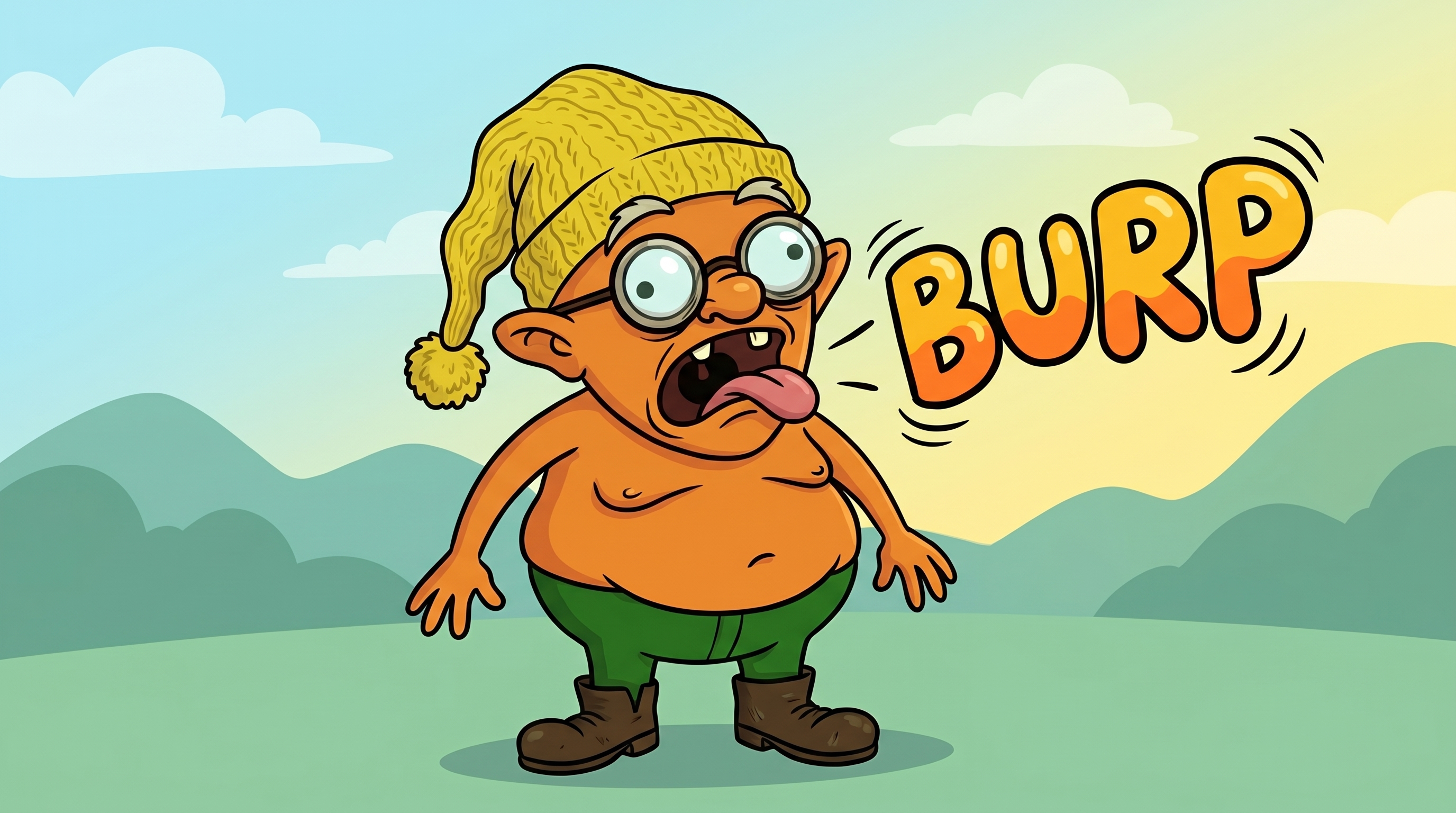
There is a piece of brand content sitting in a queue right now that went through fourteen rounds of approval and will get 200 views.
Nobody who worked on it wanted it to look like that. By the time it got through legal, compliance, three rounds of stakeholder feedback, and a last-minute note from the CEO’s assistant, whatever made it interesting had been taken out.
This is how most brand content gets made. And it’s why most brand content is forgettable.
The Data That Nobody’s Surprised By
Humor works. That’s not a hot take, it’s a documented pattern. Comedic content generates more shares, higher recall, and stronger emotional association with a brand than neutral content. People share things that make them laugh. They talk about brands that made them feel something. They remember the funny ones.
The question isn’t whether funny brand content performs better. It’s why brands still default to the serious, safe, corporate version instead.
Why Brands Are Scared
Risk aversion. The approval process that’s designed to prevent bad outcomes ends up guaranteeing mediocre ones.
When a piece of content has to satisfy twelve people before it goes out, it’s going to satisfy all twelve of them in the least interesting way possible. Legal removes the jokes that could be misread. Senior leadership softens the tone because it doesn’t feel “professional.” Someone suggests making the call to action clearer, which makes it worse. By the time the content is approved, it’s a document.
Committees don’t make interesting things. People do. The approval process is designed to manage risk, not create impact. Those goals are in conflict, and the approval process wins every time.
The Brands That Figured It Out
Look at the brands with genuine cultural presence and a loyal audience. Old Spice reinvented themselves with a completely absurdist campaign that should have scared their legal team and instead made them a cultural reference point for years. Wendy’s turned their social media account into an ongoing roast of competitors and customers and it became their brand identity. Liquid Death sells water in a can by dressing like a heavy metal record label. Taco Bell has been building brand loyalty through irreverence for decades.
None of those decisions were safe. All of them required someone to say “yes, we’re doing this” when the easier answer was to water it down.
What those brands have in common isn’t a budget or a particular agency. It’s a willingness to have a real voice and protect it from the process that would dilute it.
Why Animation Specifically Handles This Better
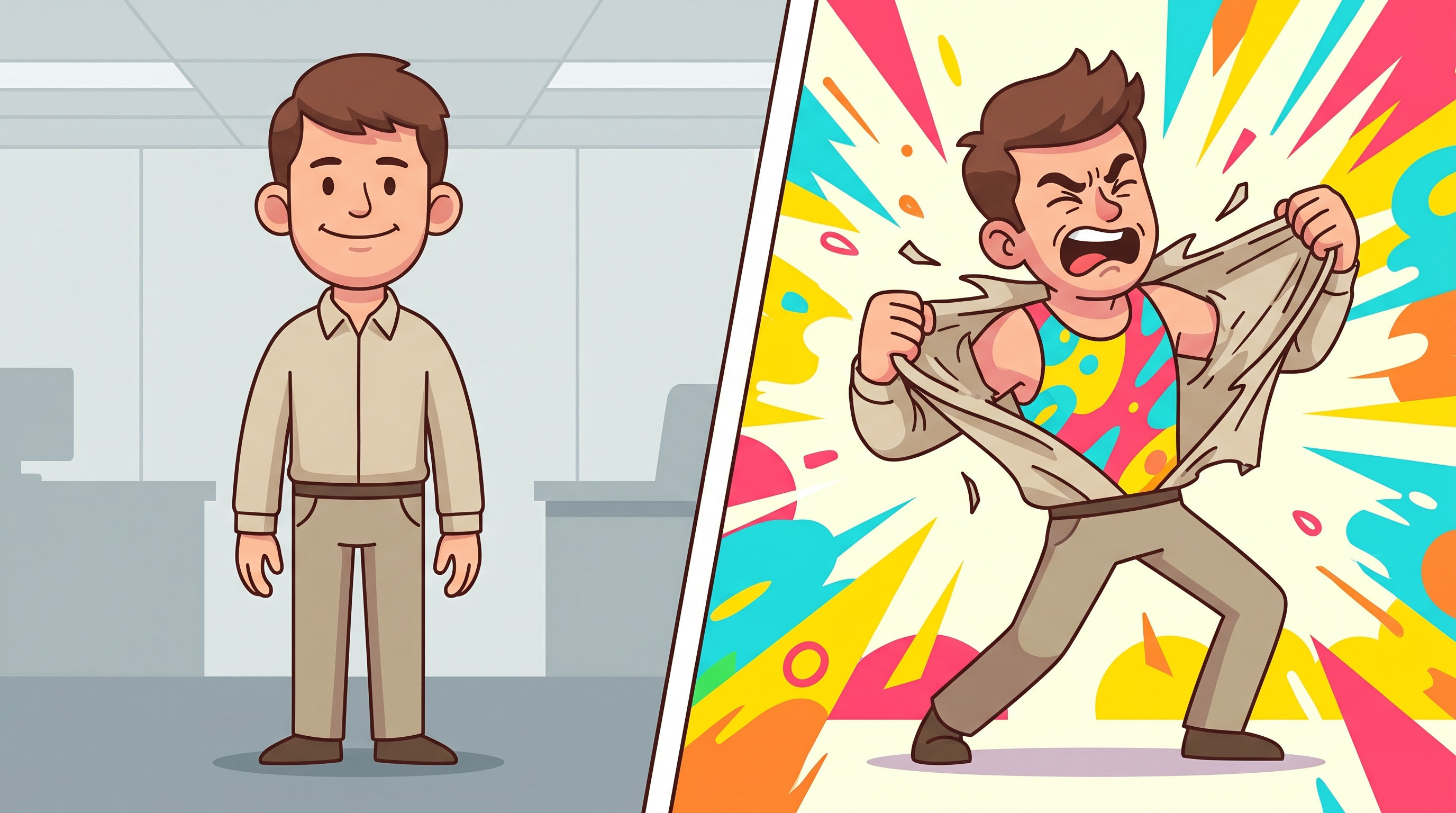
Animation is a format that gives you more latitude than live video. There’s a built-in layer of unreality that creates permission.
You can do things in animation that would read as too aggressive, too risky, or too on-the-nose in live action. The body slam in a luchador commercial. The cartoon mascot doing something that breaks from what the brand is supposed to be. The absurdist product demo that has nothing to do with the actual product. These land in animation because the medium signals “this is a heightened reality, not a literal statement.”
That’s not a limitation of animation. It’s a structural advantage for brands that want to say something interesting without the production anxiety of live action.
And for brands specifically, it means the edgy content you’ve been thinking about but haven’t made can actually get made in a format that carries it correctly. There’s more detail on how AI animation changes the production equation for brands if you’re newer to that side of it.
What Edgy Actually Means
Edgy isn’t offensive. It’s not trolling or chasing controversy. It’s having a real point of view and being willing to commit to it.
A brand that says something specific, even if not everyone agrees, is more interesting than a brand that says nothing in case someone disagrees. Most brands say nothing. They produce content that is technically correct, brand-consistent, and completely inert.
Having edge means making a creative choice and not second-guessing it into oblivion. It means the joke lands the way it was written, not the way the legal team rewrote it. It means the work sounds like it was made by someone with taste, not assembled by committee.
That’s a production decision and a brand decision at once. The two have to be made together.

“The brands that win on social over the next few years won’t be the ones with the biggest budgets. They’ll be the ones willing to make content that actually gets watched.”